
By Christina Fernández-Morrow
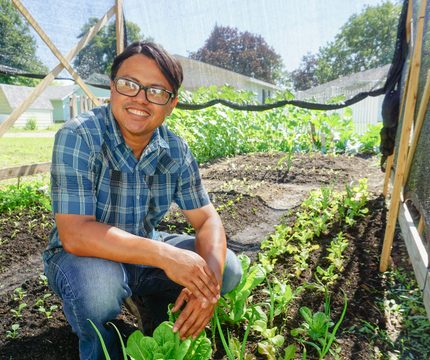
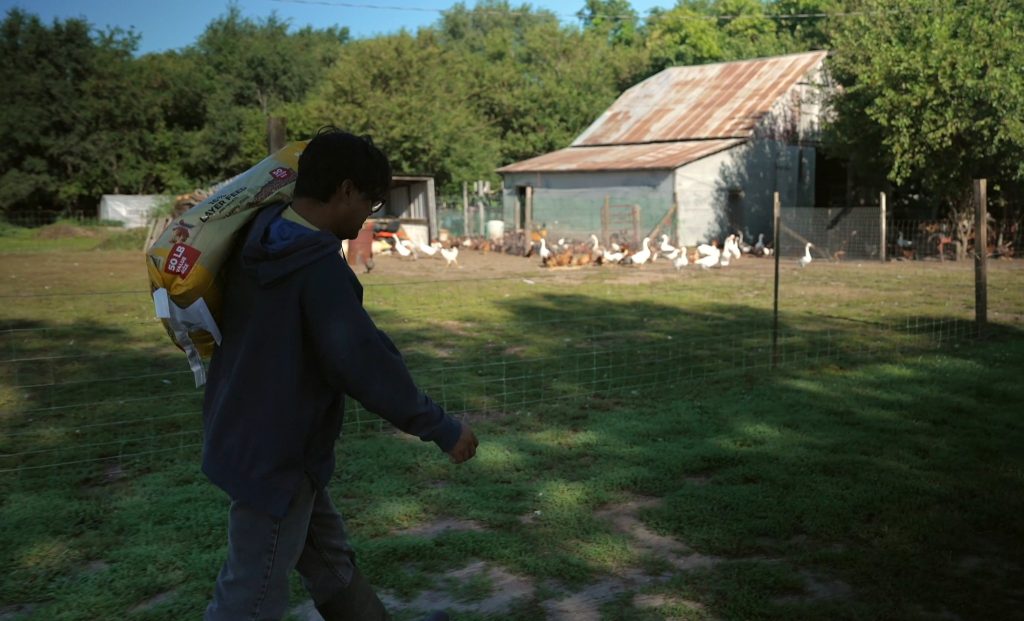
Just as the sun begins to peek over the Nebraska plains, Sandro Lopes is hard at work feeding chickens, inspecting sprouting seedlings and gently herding goats to shaded grazing areas. These tasks are not only his favorite part of the day, but they pay homage to his Tupí roots from Itacoã-Miri, in the middle of the Brazilian Amazon.
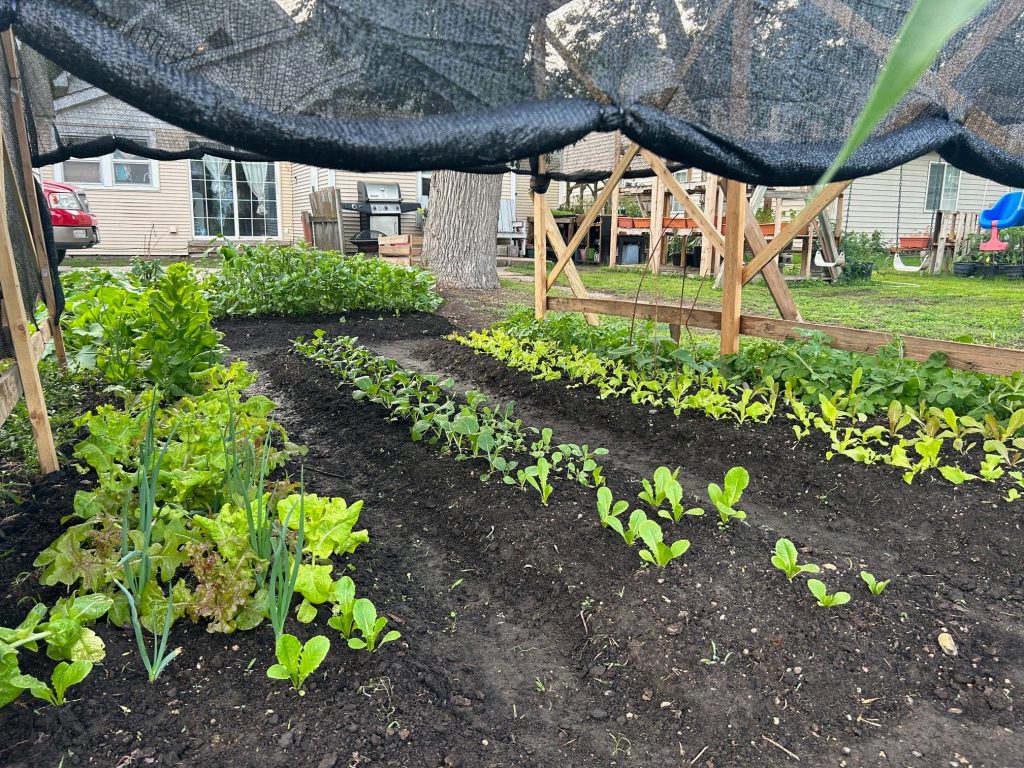
After years of nurturing a home garden using cultivation practices passed down from his mother, Lopes received an unexpected gift from Larry and Ann Sabata, local rental property owners who admired his commitment: 4 acres of their land that had been vacant and abandoned for 26 years. Today, that plot is NaTerra Regenerative Farms. It produces various types of lettuce, tomatoes, carrots, potatoes, peppers, flowers and herbs, along with chicken, eggs, goat milk and cheese, plus geese, quail, ducks and their eggs using sustainable agricultural techniques adapted to Nebraska weather patterns and palates.
Getting there was not easy. Lopes spent nearly two years investing his own money, time and labor to clear the land, reconstruct the barn, and prepare the soil for planting. Grants, donations and volunteers helped him build what exists today, including a mandala garden designed for companion planting, integrated ecosystems, being designated the first Food Forest in Butler County, and a model for goat farming that recently caught the attention of the Center for Rural Affairs.
In October 2025, they featured NaTerra Farms in “Legacies of the Kabboc from the Amazon,” the first in a series of three Spanish-language videos documenting Lopes’ sustainable farming practices. “It builds bridges between cultures, generations, and territories—reminding us that sustainable agriculture was not born in books, but in forests, in villages, in the hands of our ancestors who understood that to care for the land is to care for life,” Lopes wrote on his Facebook page.
Lopes moved from Brazil to Texas and later to Nebraska after a friend told him about the exceptional special education services available for his autistic son. He soon found work at a Nebraska dairy farm, but his dream of farming his own land never faded. “A farm can be a living classroom, a refuge for biodiversity, and a source of food with purpose,” Lopes said, a philosophy that drives both his personal development and business acumen.
While Lopes is not a full-time farmer yet, he devotes nearly as much time to his farm as he does his managerial role at an industrial cleaning company. “I dream of a network of small farms, connected by the same vision: to care for the land as a living being and ensure that the food it creates is produced with respect, balance, and love,” he said.
With a small team of family, friends and volunteers, he’s working toward his biggest challenge: expanding without losing “our connection to the land, the community, and the values that define us.” Keeping within that vision, is NaTerra on Wheels, (NOW) a mobile market that will bring fresh, quality produce, dairy, meat and eggs to food deserts across Nebraska. “We want that mini market on wheels to be an extension of our farm: a vehicle of hope, nutrition, and food justice,” said Lopes. Achieving that goal requires financial support, adequate infrastructure and solid community partnerships—obstacles he views as opportunities.
As he hustles to balance life as a farmer, manager, father, husband and growing leader in the agricultural sector, Lopes hopes his fellow Latino farmers thrive. He wishes there was a network of Spanish-speaking farmers in Nebraska like the one he drives 90 minutes to participate in through Practical Farmers of Iowa. He also hopes his farm inspires women to reconnect with their heritage through medicinal gardens, a project he and his family have started with local mothers and grandmothers. “We believe that cultivating herbs, flowers, and healing plants is a way to keep family traditions and ancestral knowledge alive,” he said.
For Lopes, true regeneration begins at home and is rooted in love and respect for the land that is passed down over generations. As his vision grows, he is determined to cultivate not only the fields, but the indigenous wisdom that has surpassed time and miles to help feed and educate families across Nebraska.
Stay informed about what’s happening in your community. Your source for stories that inspire — visit HolaNebraska.org for news, culture, and community updates across Nebraska!